
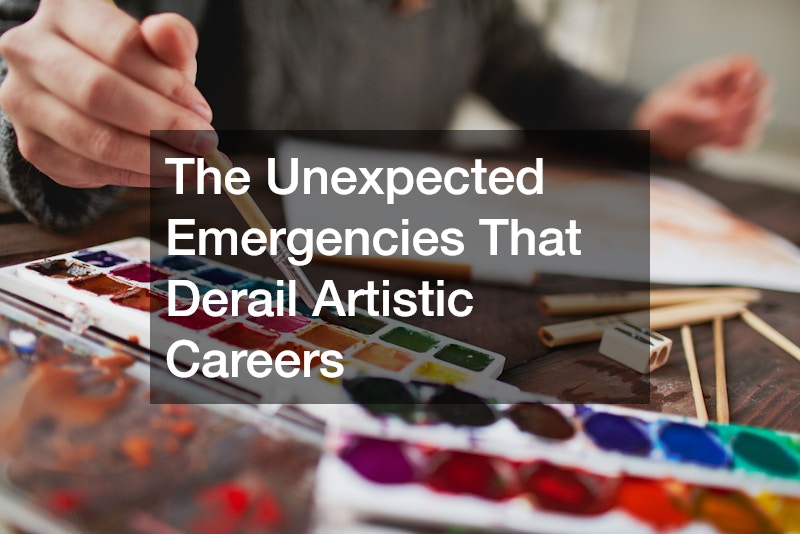
A creative career rarely collapses because of a bad review or a missed audition. More often, it is a sudden, unglamorous emergency that knocks a working artist off their financial and emotional footing. Health scares, family crises, and everyday breakdowns do not care about your gallery opening or your album release date. Understanding the most common curveballs, and planning for them before they hit, can mean the difference between a temporary setback and a career that never fully recovers.
Building this resilience requires shifting from a mindset of constant crisis management to active prevention. Most independent artists operate without corporate safety nets, making personal contingency planning essential rather than optional. Creating a dedicated emergency fund, maintaining clear records, and identifying reliable professional contacts before a disaster strikes creates a crucial buffer against the unpredictable nature of gig work. Furthermore, transparent communication with collaborators and clients when disruptions occur helps preserve hard-earned professional relationships. While no amount of preparation can prevent life’s unpredictable moments, treating risk management as an integral part of your creative practice ensures that a single unexpected crisis becomes a temporary detour rather than a permanent dead end to your artistic journey.
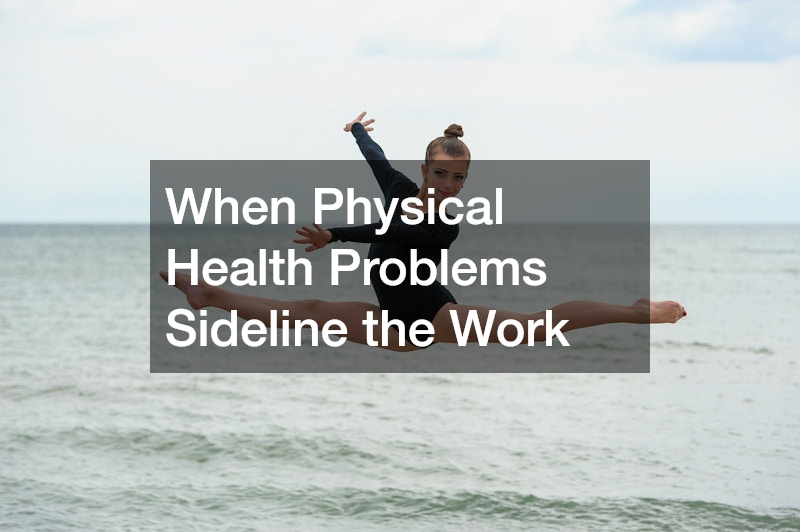
When Physical Health Problems Sideline the Work
Musicians, dancers, and visual artists depend on their bodies in ways many other professionals do not, so a physical injury or chronic condition can end a project overnight. A sudden diagnosis, a repetitive strain injury, or a car accident can wipe out months of touring income or studio time with no warning. Because artists are frequently self-employed or working gig to gig, they often lack the paid sick leave that would cushion this kind of blow.
Beyond the injury itself, the ripple effects hit scheduling, contracts, and reputation. Missing a deadline or canceling a show can damage relationships with venues and collaborators that took years to build. Artists who build a small emergency fund and understand their insurance options tend to recover faster than those who try to push through pain to protect their income.
Mental Health and Substance Use Crises
The pressures of creative work, unstable income, rejection, and irregular schedules can quietly push artists toward unhealthy coping mechanisms. Substance use problems in particular tend to escalate slowly, then suddenly become impossible to hide from collaborators, agents, or family members. When a crisis point is reached, many artists and their loved ones are unsure where to turn for help that fits around an unconventional work life.
Outpatient alcohol rehab programs have become an increasingly practical option for creative professionals because they allow someone to keep working, teaching, or performing part time while receiving structured treatment. This flexibility matters for artists who cannot simply disappear from their careers for thirty or sixty days without losing momentum or income entirely. Recognizing the warning signs early and researching treatment options before a full crisis hits gives artists and their support systems far more options.
- Noticeable changes in reliability, mood, or physical appearance
- Missed rehearsals, sessions, or deadlines that were previously non-negotiable
- Increasing isolation from collaborators or a creative community
- Financial strain tied to spending patterns rather than career slowdowns
Sudden Vehicle Trouble on Tour or Between Gigs
For touring musicians, traveling performers, and artists who transport their own work to markets and shows, a vehicle breakdown is not a minor inconvenience, it is a direct threat to income. A van that won’t start the morning of a load-in or a trailer with a blown tire on the highway can force the cancellation of an entire tour date. Finding a trustworthy auto repair shop in an unfamiliar city, often with limited cash flow and no time to spare, adds a layer of stress that most day jobs never require.
Building a relationship with a mechanic near home base, keeping basic maintenance records in the vehicle, and setting aside a small travel repair fund can prevent a single mechanical issue from becoming a canceled season. Artists who tour regularly benefit from researching reliable shops along common routes ahead of time rather than searching in a panic on the shoulder of the road.
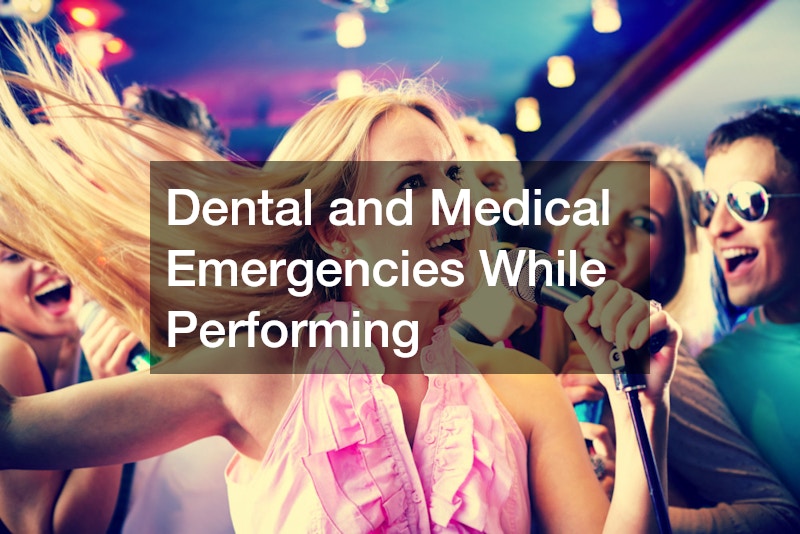
Dental and Medical Emergencies While Performing
A chipped tooth before a photo shoot, an abscess the night before a wind instrument recital, or a sudden flare-up of pain during a run of stage performances can derail weeks of preparation in an instant. Because many performing artists lack traditional employer-based benefits, they often delay care until the situation becomes an emergency rather than a routine appointment. Locating a dental office that offers same-day emergency slots before you need one is far easier than searching in a panic while in pain.
Vocalists, brass and wind players, and public speakers are especially vulnerable to how quickly a dental issue can affect breath control, jaw tension, and overall performance quality. Building a relationship with a general dentist and scheduling regular checkups, even on a tight income, reduces the odds of a small issue turning into a canceled performance run.
Legal and Immigration Complications for Touring Artists
International touring, cross-border collaborations, and visa-dependent contracts introduce a layer of legal risk that many artists underestimate until paperwork problems threaten an entire tour or residency. A denied visa renewal, an expired work permit, or a misfiled document can strand a performer outside the country where their income and opportunities exist. These situations move quickly, and generic legal advice rarely addresses the specific requirements of performance-based work.
Local immigration law firms that have direct experience with artist visas, cultural exchange programs, and short-term work permits can spot problems months before they become emergencies. Reaching out early, rather than after a denial letter arrives, gives an attorney time to correct paperwork or file appeals within the narrow windows immigration systems typically allow.
- Visa categories specific to performers, guest artists, and cultural exchange programs
- Documentation needed for short residencies versus full relocation
- Timeline requirements that vary significantly by country and visa type
- Contracts that depend on legal status being confirmed before signing
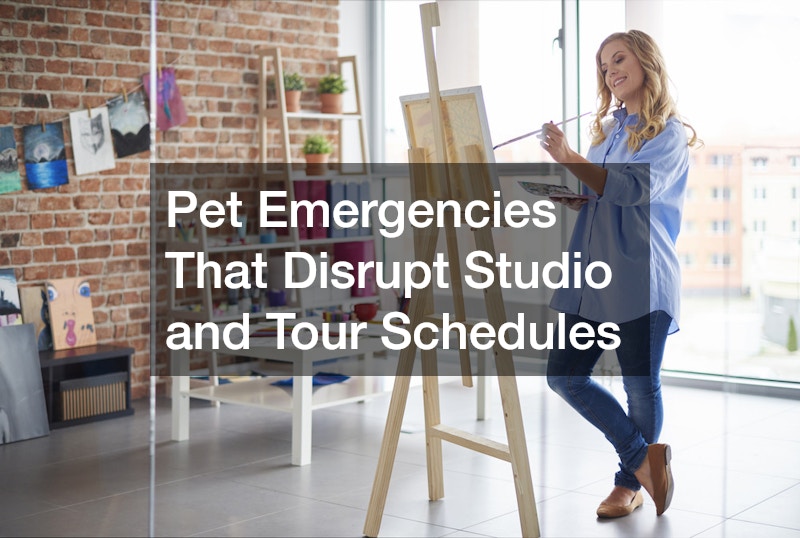
Pet Emergencies That Disrupt Studio and Tour Schedules
Many artists work from home studios or travel with companion animals, so a pet health crisis can hit at the worst possible moment, mid-deadline or mid-tour. A sudden illness that requires an emergency vet visit can mean an unplanned expense in the hundreds or thousands of dollars, arriving exactly when cash flow is already tight from irregular gig income. Artists without a financial cushion often face the impossible choice between missed work and a pet’s urgent medical needs.
For touring performers who travel with animals, knowing where the nearest pet urgent care location is in each city on the route can save critical time during an actual emergency. Researching after-hours veterinary options before a trip, rather than searching frantically from a parking lot at midnight, keeps a stressful situation from becoming a full-blown crisis that derails an entire schedule.
Venue Cancellations and Last-Minute Booking Failures
A double-booked space, a sudden closure, or a venue that loses its lease can leave an artist or event organizer scrambling days before a scheduled show or exhibition opening. This is especially disruptive for artists who host their own events, workshops, or release parties rather than relying solely on established galleries or clubs. Because deposits are often non-refundable, a canceled booking can create a financial loss on top of the scramble to find a replacement space.
Interestingly, many performers now look outside traditional entertainment spaces when a booking falls through, and wedding venues have become a surprisingly common backup option because they are frequently available on weekdays and equipped with sound systems, seating, and parking already in place. Building a short list of backup locations before an emergency hits, rather than during one, gives artists far more negotiating power and far less panic.
Sudden Loss of Studio or Storage Space
A building sale, a rent increase, or a landlord’s unexpected renovation can force an artist out of a studio or storage unit with only weeks of notice. This is particularly stressful for visual artists, sculptors, and collectors whose inventory includes large, fragile, or valuable pieces that cannot simply be thrown in the back of a car. Finding safe, fast alternatives becomes a race against a moving deadline that was never part of the original plan.
When a move involves delicate materials, original artwork, or inherited pieces, hiring who understand proper packing and handling techniques protects work that would be difficult or impossible to replace. Contacting quality, specialized service providers like antique movers is highly recommended in these cases. At the same time, an unplanned move is a good opportunity to bring in professional or storage consulting, since consolidating and properly cataloging inventory during a forced relocation often prevents the same crisis from happening again down the road.
Family Emergencies and Unexpected Caregiving Demands
An aging parent’s sudden hospitalization, a child’s illness, or a family crisis in another city can pull an artist away from paying work with little to no notice. Unlike salaried employees, most self-employed creatives have no paid family leave to fall back on, which means a caregiving emergency directly threatens income at the exact moment expenses are rising. This dual pressure, emotional and financial, is one of the most common reasons artists quietly step back from their careers.
Having open conversations with collaborators, venues, and clients about contingency plans before a crisis hits makes it far easier to renegotiate deadlines without damaging professional relationships. Sometimes relying on other local businesses for support of your loved ones can help keep spirits high. Visiting your favorite chinese restaurants or bakeries for a meal or takeout can help you rebalance into normalcy or bring a smile to your loved one’s face during a hard day. Artists who build even a modest financial buffer and identify backup collaborators in advance are better positioned to handle a family emergency without losing months of momentum.
Everyday Errands That Quietly Drain Creative Time
Not every emergency is dramatic; some of the most damaging disruptions are the small, recurring errands that eat into the limited hours an artist has for actual creative work. A meal grabbed between rehearsals from nearby might seem trivial, but the accumulation of small logistical decisions—where to eat, when to run errands, how to manage a household solo—adds up to real lost studio time over a year. Artists who treat their schedules with the same seriousness as a traditional job tend to protect their creative hours more successfully.
Building simple systems, batch cooking, batching errands, delegating tasks when finances allow, and more such integrations give artists back hours that would otherwise be lost to constant small decisions. These systems will not prevent a true emergency, but they create the slack in a schedule that makes recovering from one significantly easier. You might also explore avenues like closet organization that make your home and space more useable, creating less mental clutter and allowing your artistic juices to flow.
Navigating the financial and personal unpredictability of an artistic career requires building systemic safety nets long before a crisis occurs. While traditional employment often provides structural buffers like paid leave and health benefits, self-employed creatives must intentionally construct their own support frameworks. Diversifying income streams, establishing dedicated emergency savings, and maintaining detailed records are essential habits that transform potential career disasters into manageable delays. By taking proactive measures to safeguard your livelihood, you establish a resilient foundation that allows your creative output to withstand unexpected life events, ensuring that your artistic vision remains secure even when external circumstances become volatile and uncertain.
Equally important is cultivating a robust professional network and staying informed about community resources tailored to independent artists. Local organizations, legal clinics, and specialized support groups frequently offer aid and advice when emergencies strike, but identifying these options in advance prevents chaotic searches during high-stress moments. Transparent communication with clients, venues, and collaborators when challenges arise further helps preserve hard-earned professional relationships and trust. Recognizing that risk management is an integral component of a sustainable creative practice empowers you to navigate inevitable disruptions with confidence, protecting both your physical well-being and your long-term career trajectory against unforeseen disruptions.
None of these emergencies are things an artist can fully control, but nearly all of them are things an artist can prepare for. The common thread running through every scenario above is that a little research and planning done before a crisis hits, whether that means knowing a reliable repair shop, a treatment program, or a backup venue, turns a potential career-ending event into a manageable setback. Take an honest look at where your own career is most exposed, then spend an afternoon building the contact list and financial cushion that future you will be grateful for.