
The world of jewelry designing is as fascinating as it is intricate, weaving together artistry, history, and science into the creation of exquisite adornments. The practice of designing jewelry has evolved dramatically over the centuries, from the use of rudimentary tools and materials to the application of advanced technology and innovative techniques. Today, jewelry design holds a significant place in the fashion and style landscape, where it continues to shape and reflect cultural trends and personal expression alike.
Jewelry pieces act not only as accessories but as statements of individuality and heritage, often carrying stories and meanings that transcend their physical forms. As such, the art of jewelry designing is a continually evolving discipline that balances tradition with innovation, capturing the beauty and essence of both the past and the present.
1. How Has Technology Changed Jewelry Designing?
In the realm of modern jewelry design, technology has brought about transformative changes that have revolutionized the way designers conceptualize and create their pieces. One of the most significant advancements is the integration of computer-aided design (CAD) software, which allows designers to explore a plethora of creative possibilities that were previously unattainable. CAD software enables precision in the design process, allowing intricate and complex patterns to be drafted and visualized with unprecedented accuracy. As a result, designers can experiment with forms and structures, ensuring that their physical creations are an accurate reflection of their digital renderings. This synergy between technology and creativity has expanded the horizons of jewelry design, enabling artisans to push boundaries and redefine what is possible in the industry.
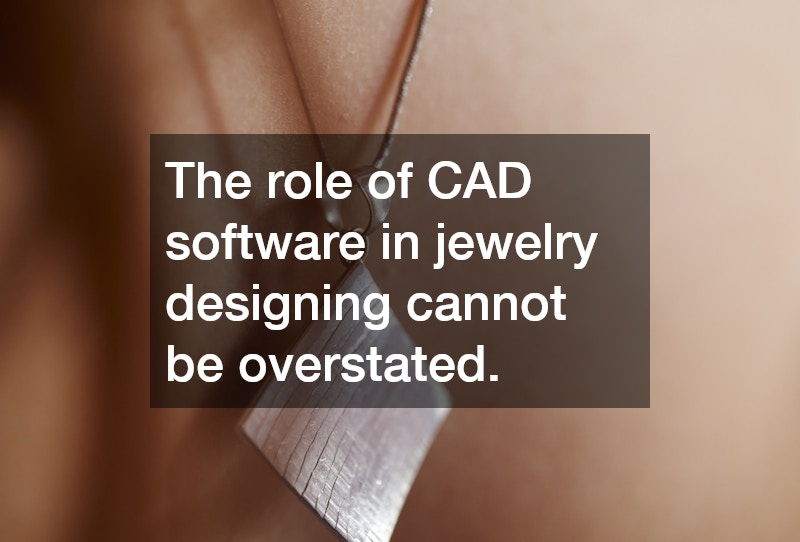
The role of CAD software in jewelry designing cannot be overstated, as it has not only enhanced precision but also efficiency and collaboration. Designers can now work closely with jewelers and clients to create custom pieces with tailored specifications, fostering greater interaction and engagement throughout the design process. As a result, the traditional boundaries between the designer’s vision and the finished product have become more fluid, allowing for greater personalization and innovation. Moreover, CAD technology supports rapid prototyping, where digital models are translated into physical prototypes using 3D printing, accelerating the production timeline significantly. This not only reduces costs and wastage but also allows for iterative improvements, where designs can be easily modified and refined without starting from scratch.
2. What Are the Emerging Trends in Jewelry Design?
The jewelry industry is currently experiencing a paradigm shift as it increasingly embraces sustainability and ethical practices, a trend that plays a crucial role in crafting future designs. Designers are becoming more conscious of the environmental impact of their creations, opting for recycled materials and conflict-free gemstones to build eco-friendly collections. This conscientious approach not only fulfills the growing consumer demand for sustainable goods but also challenges designers to innovate with materials that are both ethical and expressive. The use of sustainable materials often adds a layer of storytelling to each piece, allowing wearers to connect with the jewelry beyond mere aesthetics. As awareness of environmental issues continues to rise, ethical jewelry design is poised to become more prevalent, carving a new path for the industry that prioritizes both beauty and responsibility.
Another significant trend reshaping the world of jewelry design is the focus on personalization and unique expressions of individuality. As consumers seek to differentiate themselves and make personal statements through fashion, bespoke jewelry has surged in popularity. This trend has driven a demand for customization options that go beyond typical engraving, with clients desiring more personalized design elements like choosing specific gemstones, metals, and patterns that reflect their personal stories and tastes. Designers are now tasked with creating pieces that can be tailored to individual preferences, fostering deep connections between the wearer and their jewelry. This personalized approach transcends traditional retail experiences, offering clients jeweler interactions that are immersive and meaningful.
3. How Do Cultural Influences Affect Jewelry Design?
Cultural influences play an integral role in shaping the aesthetics and significance of jewelry design, offering a vast tapestry of inspiration that designers can draw upon. As cultures intermingle and globalize, designers have greater exposure to diverse artistic traditions, symbols, and styles, which can be reimagined in their work. Cultural motifs can be adapted to suit contemporary tastes, allowing for a harmonious blend of the traditional and the modern. This cultural synergy is especially evident in the incorporation of motifs such as geometric patterns, abstract forms, and symbolic emblems into jewelry design. By doing so, designers not only pay homage to cultural heritage but also create pieces with deeper meanings that resonate with a broader audience.
As globalization continues to break down geographical barriers, jewelry design has become a vibrant canvas where multifaceted cultural narratives can be expressed. Designers are adept at merging elements from different cultures to craft hybrid styles that resonate with a globalized market. This process of cultural exchange and adaptation enriches the jewelry landscape, offering consumers unique pieces that embody both innovation and tradition. As a result, the jewelry design industry is experiencing a dynamic evolution, where regional craftsmanship techniques are celebrated and preserved while being integrated into global design aesthetics. Through this ongoing dialogue between cultures, jewelry design continues to reflect the diversity and richness of human expression.
The dynamic nature of jewelry design is a testament to the field’s ability to adapt and evolve while maintaining a deep connection to traditions and cultural practices. Through the integration of advanced technology, sustainable practices, and cultural appreciation, jewelry design continues to push boundaries and redefine what is possible within the industry. Designers are challenged to balance creativity with responsibility, formulating pieces that not only captivate visually but also engage meaningfully with the modern world. As this art form continues to inspire and innovate, it is clear that jewelry will always hold a unique place in society, serving as a bridge between the past, present, and future of cultural and personal expression. In this ever-changing landscape, the art of jewelry designing remains a beacon of creativity and ingenuity, a reflection of the human spirit’s endless pursuit of beauty and meaning.